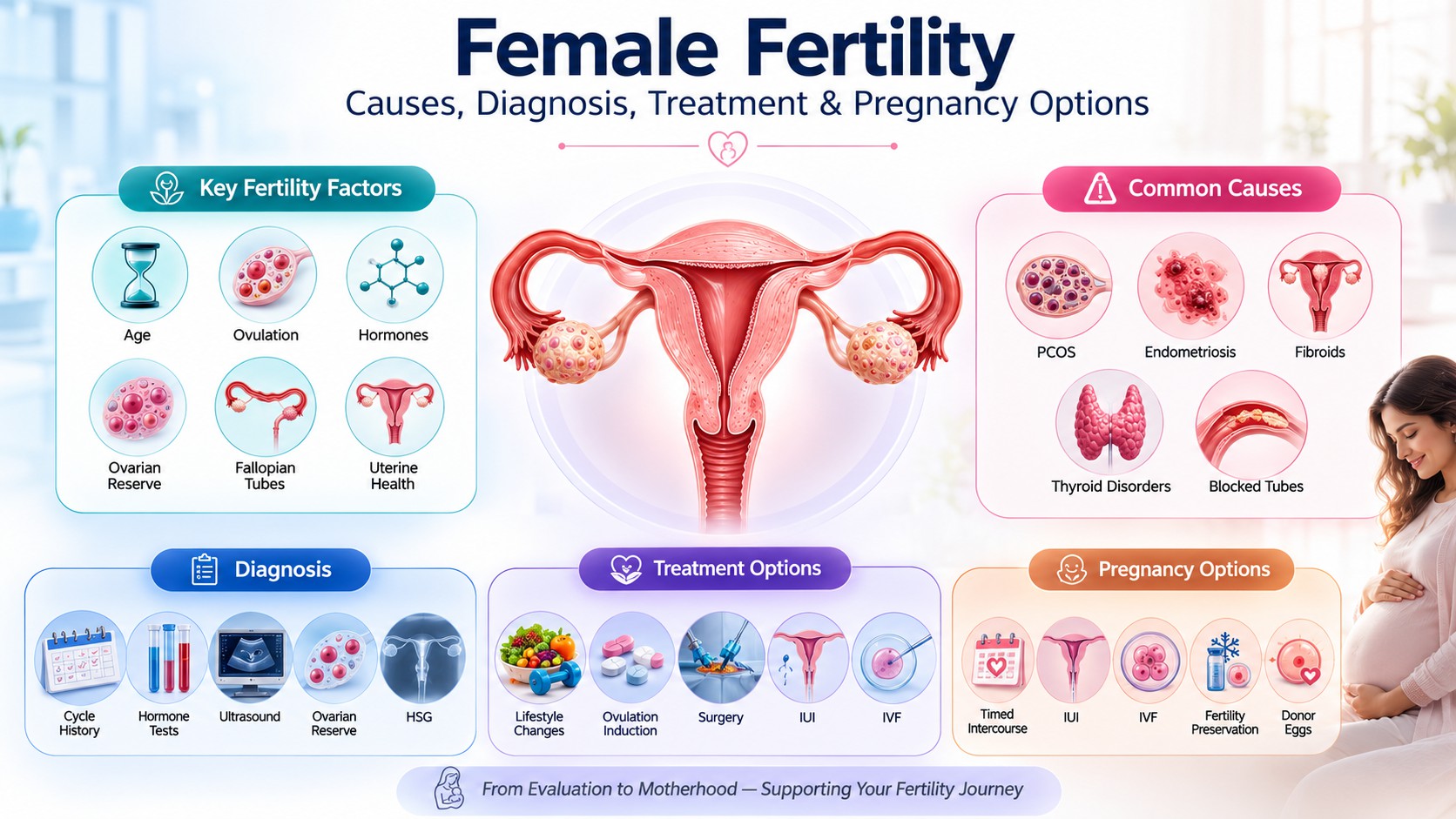
Trying to get pregnant can be an exciting journey, but when pregnancy does not happen as expected, it can also bring uncertainty, stress, and many questions. You may wonder whether your menstrual cycle, age, hormones, ovarian health, fallopian tubes, or another medical condition is affecting your fertility.
Female fertility depends on several factors working together, including ovulation, egg quality, ovarian function, the fallopian tubes, uterus, hormones, and overall reproductive health. Conditions such as PCOS, endometriosis, fibroids, thyroid disorders, and reduced ovarian reserve can also affect the ability to conceive.
The good news is that fertility problems can often be evaluated systematically, and treatment can be tailored to the underlying cause. If you are concerned about conception, understanding your options and seeking appropriate female fertility care can help you take the next step.
What Is Female Fertility?
Female fertility is the ability to conceive and bear children. Conception is successful when a number of reproductive processes occur correctly.
In a normal menstrual cycle an egg grows on the inside of an ovary and is released at ovulation. The egg then travels down the fallopian tube, and if sperm is present, fertilization may occur. The resulting embryo can then travel to the uterus and embed itself in the lining of the uterus.
Problems at any stage can make conception more difficult. Female fertility may be influenced by:
- Age and egg quality
- Ovulation
- Ovarian reserve
- Hormonal balance
- Fallopian tube health
- Uterine health
- Endometriosis
- PCOS
- Fibroids or uterine polyps
- Previous pelvic infections or surgery
- Lifestyle and general health
Fertility problems can involve female factors, male factors, both partners, or sometimes remain unexplained. A comprehensive approach to women's health care can help identify factors that may be affecting reproductive health.
When Should You Consider a Female Fertility Evaluation?
Infertility is commonly defined as the failure to conceive after 12 months of regular unprotected intercourse. For women 35 years of age or older, evaluation is usually recommended after 6 months of trying. Women aged 40 and over may require a more prompt evaluation.
However, you do not always need to wait six or twelve months. A fertility evaluation may be appropriate sooner if you have:
- Very irregular or absent periods
- Known or suspected PCOS
- Severe menstrual or pelvic pain
- Suspected endometriosis
- Previous pelvic surgery
- Known fallopian tube problems
- Recurrent pregnancy loss
- Previous chemotherapy or radiation
- A known condition that may affect ovarian function
- A partner with known fertility problems
The American Society for Reproductive Medicine recommends earlier assessment when there is a medical history or finding known to be associated with infertility.
Common Causes of Female Infertility
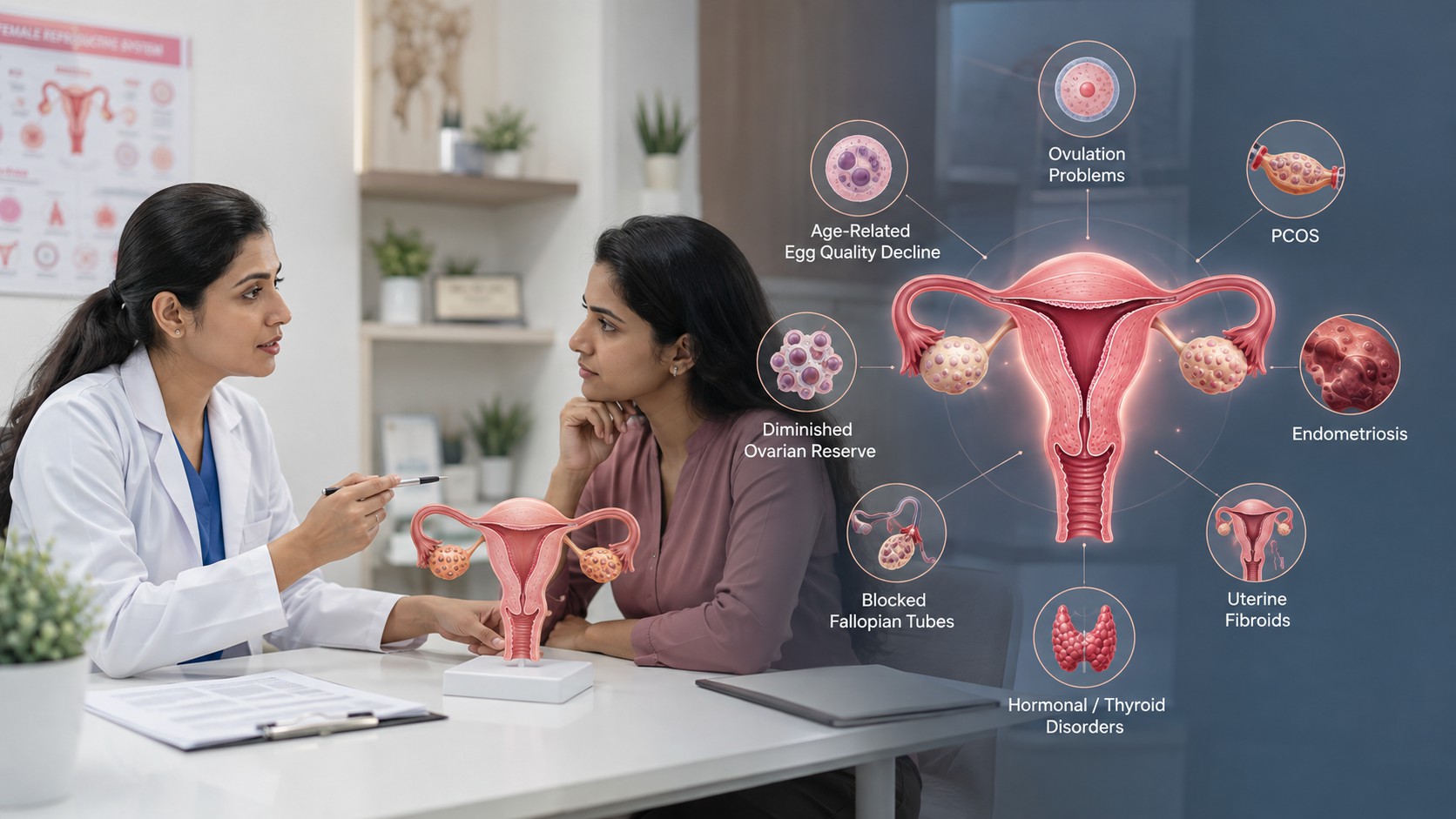
Female infertility has more than one cause. Fertility specialists typically look at ovulation, ovarian function, reproductive anatomy, hormones, age, and other health factors.
Ovulation Problems
Ovulation problems are among the most common causes of female infertility. If an egg is not released regularly, the opportunity for fertilization may be reduced.
Ovulation disorders can be associated with:
- Polycystic ovary syndrome (PCOS)
- Thyroid disorders
- High prolactin levels
- Significant weight changes
- Excessive exercise
- Certain hormonal conditions
- Reduced ovarian function
Irregular periods can sometimes be an important clue that ovulation is not occurring consistently.
Polycystic Ovary Syndrome (PCOS)
PCOS is a common hormonal condition that can interfere with regular ovulation.
Women with PCOS may experience:
- Irregular periods
- Infrequent ovulation
- Acne
- Increased facial or body hair
- Weight-related concerns
- Difficulty conceiving
Having PCOS does not mean pregnancy is impossible. Treatment can focus on improving ovulation and addressing other factors affecting fertility.
Age and Egg Quality
Age is one of the most important factors influencing female fertility. Fertility gradually declines with age, and the decline becomes more significant as women approach their late 30s and 40s.
Both the number and quality of available eggs can decrease with age. ACOG notes that fertility begins to decline in the early 30s and decreases more noticeably after 35.
This is why women planning pregnancy later in reproductive life may benefit from discussing fertility and preconception health with a gynecologist.
Endometriosis
Endometriosis occurs when tissue similar to the uterine lining grows outside the uterus. It can cause pelvic pain, painful periods, pain during intercourse, and sometimes difficulty conceiving.
Endometriosis may affect fertility through inflammation, pelvic adhesions, and changes involving the reproductive organs.
If you experience severe period pain along with difficulty becoming pregnant, an evaluation for endometriosis treatment may be appropriate.
Fallopian Tube Problems
Healthy fallopian tubes are important because they provide the pathway through which the egg and sperm meet.
Blocked or damaged fallopian tubes may occur because of:
- Previous pelvic infections
- Certain sexually transmitted infections
- Endometriosis
- Previous abdominal or pelvic surgery
- Other pelvic conditions
WHO identifies tubal disorders, including blocked fallopian tubes, as an important cause of female-factor infertility.
Uterine Fibroids and Polyps
Fibroids are non-cancerous growths in or around the uterus. Depending on their size and location, they may affect fertility or pregnancy.
Uterine polyps can also interfere with the uterine cavity and may sometimes contribute to difficulty conceiving.
When a structural abnormality is suspected, your doctor may recommend imaging or another assessment of the uterus.
Hormonal and Thyroid Disorders
Hormones regulate ovulation and the menstrual cycle. Conditions affecting the thyroid gland, prolactin, or reproductive hormones can sometimes interfere with ovulation.
If a person's symptoms or medical history suggest a hormone problem, hormone testing may be performed as part of a fertility workup. “WHO recommends that the approach to hormone testing should be based on the clinical picture, rather than applying the same testing strategy to all patients.
Diminished Ovarian Reserve
Ovarian reserve refers broadly to the remaining supply of eggs in the ovaries.
Tests such as AMH, antral follicle count (AFC), and FSH may be used in selected fertility evaluations. However, these tests should not be interpreted in isolation.
Age remains an important factor in assessing reproductive potential, and ovarian reserve testing does not by itself predict whether someone will or will not become pregnant.
How Is Female Infertility Diagnosed?
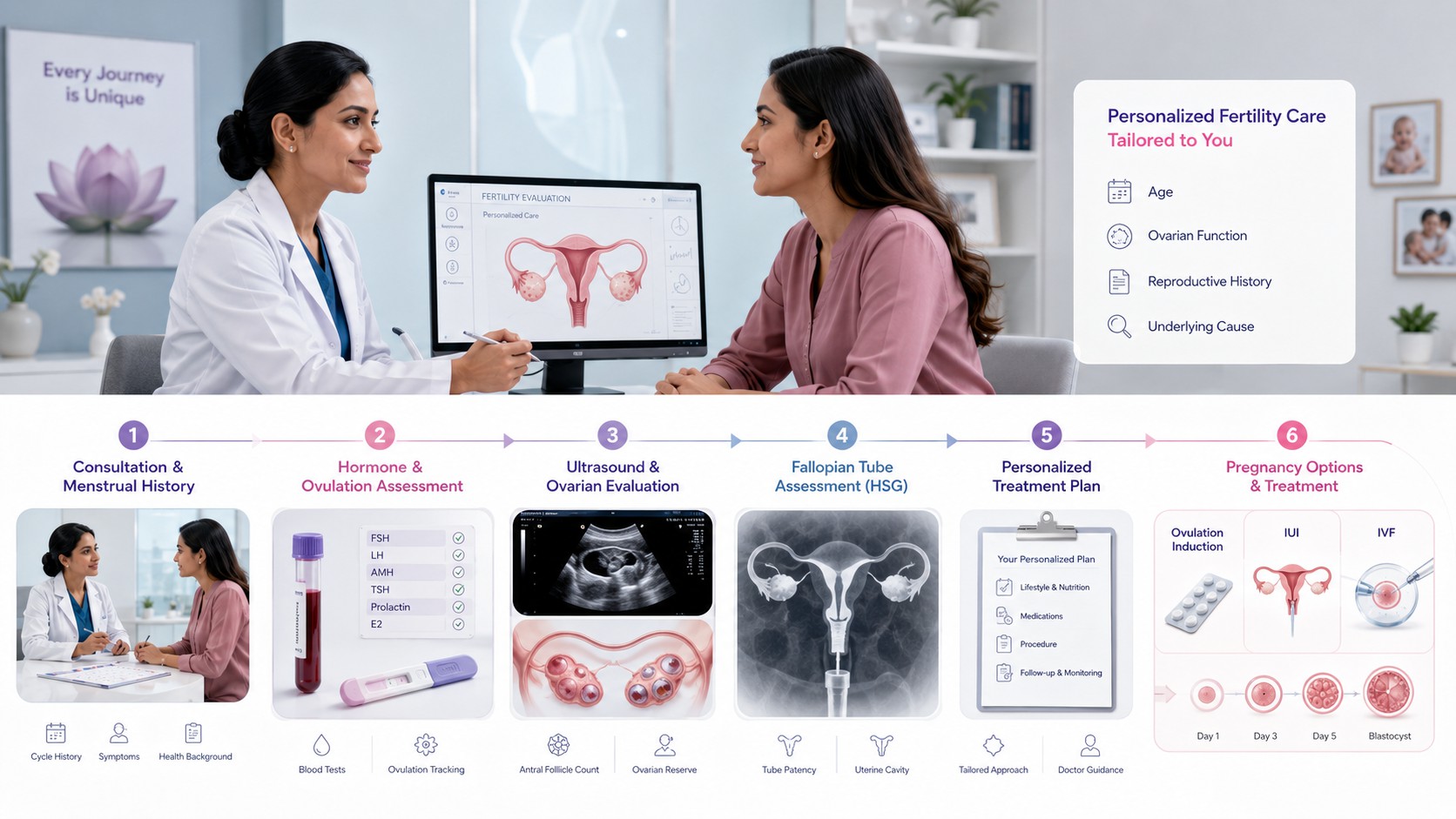
A female fertility evaluation begins with a detailed discussion of your menstrual history, previous pregnancies, medical conditions, medications, surgeries, lifestyle, and reproductive goals.
Your doctor may recommend some or all of the following assessments.
Medical and Menstrual History
Your doctor may ask about:
- Menstrual cycle length and regularity
- Period pain
- Previous pregnancies
- Previous miscarriages
- Previous pelvic infections
- Previous surgeries
- Sexual history
- Existing medical conditions
- Family reproductive history
This information can provide important clues before more invasive tests are considered.
Ovulation Assessment
If ovulation problems are suspected, your doctor may evaluate hormone levels and menstrual patterns.
Depending on your situation, testing may include progesterone assessment or other hormone tests. WHO recommends a clinical, individualized approach to evaluating suspected ovulatory dysfunction.
Ultrasound
A pelvic or transvaginal ultrasound can help evaluate:
- Ovaries
- Uterus
- Endometrial lining
- Fibroids
- Ovarian cysts
- Certain signs associated with PCOS
- Antral follicle count when indicated
Ultrasound may therefore be an important part of a broader gynecological consultation.
Fallopian Tube Testing
Tests that verify that the fallopian tubes are open and parts of the reproductive tract (e.g., hysterosalpingography [HSG] or sonohysterography-based approaches) can be used. The ASRM recommends HSG or SHG for the evaluation of tubal patency.
Fertility Evaluation for Both Partners
It is important not to assume that infertility is caused only by the woman.
A complete fertility evaluation should typically include both partners. The WHO recommends considering female and male factors jointly and not delaying assessment of one partner.
For the male partner, a semen analysis may be an important part of the initial evaluation.
Treatment Options for Female Infertility
The best treatment depends on the cause, your age, ovarian function, reproductive history, duration of infertility, and your pregnancy goals.
There is no single fertility treatment that works for everyone.
Lifestyle and Preconception Care
For some women, improving general health can support reproductive health. Your doctor may discuss:
- Maintaining a healthy weight
- Balanced nutrition
- Regular physical activity
- Avoiding smoking
- Limiting or avoiding alcohol
- Managing existing medical conditions
- Reviewing medications before pregnancy
- Taking appropriate prenatal supplements
Lifestyle changes should complement—not replace—medical evaluation when infertility is suspected.
Ovulation Induction
If irregular or absent ovulation is contributing to infertility, medications may be used to stimulate ovulation.
Depending on the underlying condition, treatment can include oral medicines or injectable medications. Monitoring may involve ultrasound and/or blood tests.
For PCOS-related anovulatory infertility, treatment is individualized according to the patient's clinical situation. Current WHO guidance includes specific recommendations for infertility related to PCOS and ovulatory dysfunction.
Surgery
In selected cases, surgery may improve fertility by treating an underlying structural problem.
Depending on the condition, surgery may be considered for:
- Endometriosis
- Certain fibroids
- Uterine polyps
- Some tubal problems
- Other reproductive tract abnormalities
When surgery is appropriate, minimally invasive gynecological surgery may be considered depending on the diagnosis and individual circumstances.
Surgery is not appropriate for every woman with infertility, so the potential benefits and risks should be discussed with a gynecologist or fertility specialist.
Intrauterine Insemination (IUI)
IUI involves placing prepared sperm into the uterus around the time of ovulation.
It may be considered in selected situations, depending on factors such as ovulation, sperm parameters, age, and the underlying cause of infertility.
In Vitro Fertilization (IVF)
IVF treatment involves retrieving eggs from the ovaries, fertilizing them with sperm in a laboratory, developing embryos, and transferring an embryo into the uterus.
IVF may be considered for conditions such as:
- Certain blocked or severely damaged fallopian tubes
- Severe endometriosis
- Some male-factor infertility
- Certain ovarian conditions
- Unexplained infertility
- Situations where other fertility treatments have not been successful
The choice between different infertility treatment options should be individualized after appropriate evaluation.
Pregnancy Options When Natural Conception Is Difficult
A fertility diagnosis does not necessarily mean that pregnancy is impossible. Depending on the individual situation, pregnancy options may include the following:
- Timed intercourse based on ovulation
- Ovulation induction
- IUI
- IVF
- Fertility preservation or egg freezing in appropriate situations
- Donor eggs or other assisted reproductive options when medically appropriate
The most suitable option depends on factors such as age, ovarian reserve, fallopian tube status, sperm health, previous fertility treatments, and personal preferences.
A fertility specialist can help you understand the potential benefits, limitations, costs, and risks of each approach.
If pregnancy has been difficult to achieve, appropriate pregnancy care and fertility guidance can help you understand the next steps.
How Can You Support Female Fertility?
There is no guaranteed way to prevent every fertility problem, but healthy habits can support overall reproductive health.
Maintain a Healthy Lifestyle
A balanced diet, appropriate physical activity, adequate sleep, and maintaining a healthy weight can contribute to overall health.
Both being significantly underweight and overweight may affect fertility in some women.
Track Your Menstrual Cycle
Tracking your menstrual cycle can help you understand your cycle pattern and identify irregularities.
You can record:
- First day of your period
- Cycle length
- Bleeding pattern
- Ovulation symptoms
- Pelvic pain
- Other unusual symptoms
However, cycle tracking should not replace medical evaluation if you have persistent difficulty conceiving.
Do Not Ignore Persistent Symptoms
Severe period pain, very irregular periods, absent periods, unusual bleeding, or persistent pelvic pain deserve medical attention.
Early evaluation may be particularly important when symptoms suggest conditions such as endometriosis, PCOS, thyroid disorders, or other reproductive health problems.
Frequently Asked Questions About Female Fertility
How long should I try naturally before seeing a fertility doctor?
Women under 35 can seek evaluation after 12 months of trying, while those 35 or older may consider it after 6 months. Women over 40 may benefit from earlier assessment.
What is the most common cause of female infertility?
Ovulation problems are a common cause of female infertility. Other factors include age, endometriosis, blocked tubes, and hormonal or uterine conditions.
Can PCOS cause infertility?
Yes. PCOS can affect regular ovulation and make conception more difficult. However, appropriate treatment can help many women achieve pregnancy.
Can I get pregnant with blocked fallopian tubes?
Blocked fallopian tubes can make natural conception difficult, especially if both tubes are affected. Treatment options, including IVF, may be considered depending on the condition.
Does age affect female fertility?
Yes. Female fertility naturally declines with age, especially during the later reproductive years. Age is an important factor in fertility evaluation and treatment.
When should I see a gynecologist for fertility problems?
See a gynecologist after 12 months of trying if under 35, or after 6 months if 35 or older. Earlier evaluation may help if you have irregular periods or known fertility concerns.
Conclusion
Female fertility is influenced by many interconnected factors, and difficulty conceiving does not always have one obvious explanation. Age, ovulation, ovarian function, fallopian tubes, uterus, hormones, endometriosis, PCOS, and general health can all play a role.
The most important step is getting the right evaluation at the right time. A personalized assessment can identify potential fertility problems and help you understand whether lifestyle changes, medication, surgery, IUI, IVF, or another approach may be appropriate.
If you are concerned about your fertility, you do not have to navigate the process alone. Speaking with a qualified gynecologist in Hyderabad can help you move from uncertainty toward a clear and personalized plan.