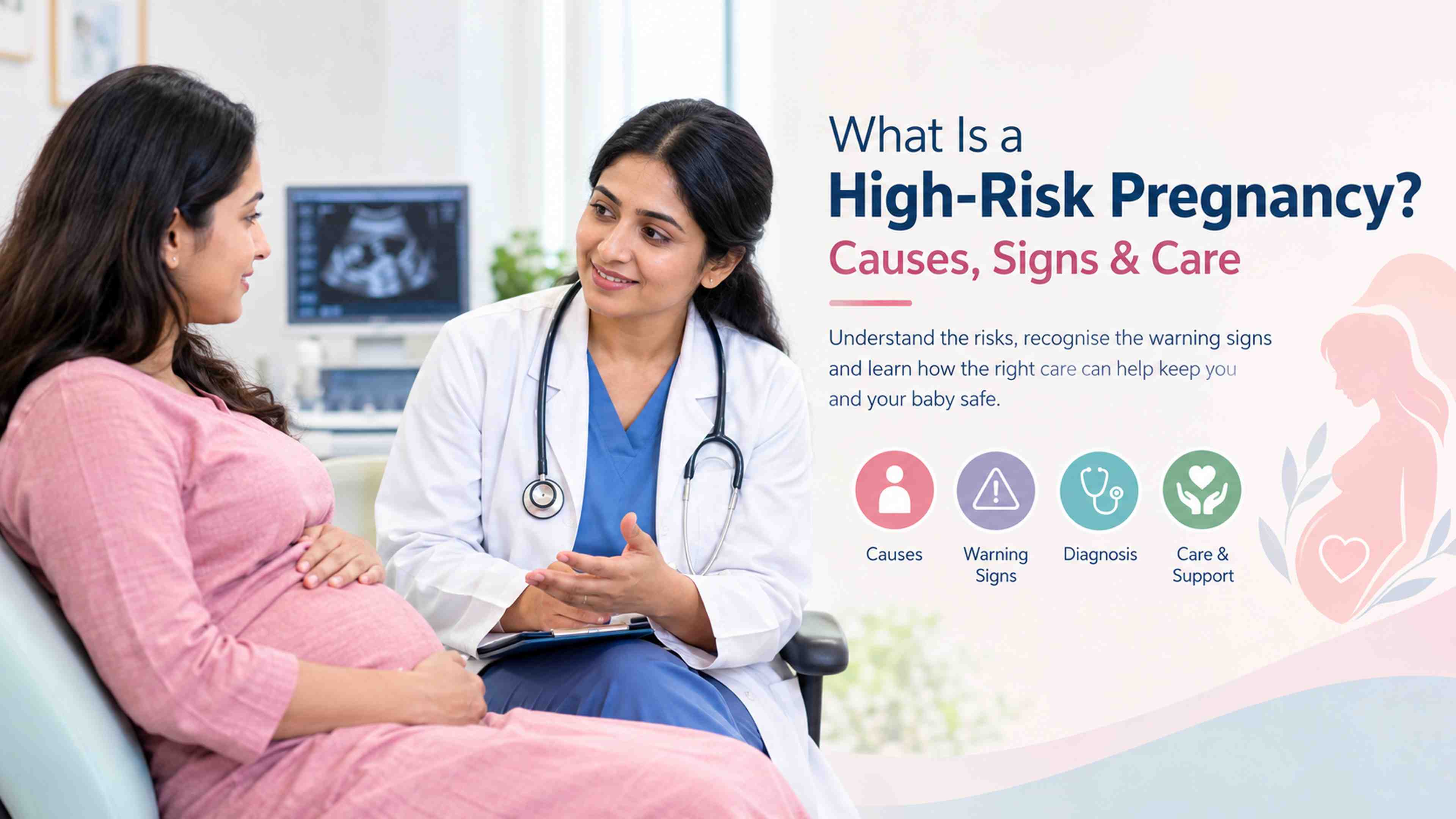
Pregnancy is an important journey, but some pregnancies require closer medical attention to protect the health of the mother and baby. A pregnancy may be classified as high-risk when certain medical conditions, pregnancy-related complications, or previous pregnancy experiences increase the possibility of health problems.
The good news is that early identification, regular antenatal check-ups, and appropriate medical care can help manage many risks. Understanding the causes, warning signs, and available care options can help expecting mothers make informed decisions throughout pregnancy.
What Is a High-Risk Pregnancy?
A high-risk pregnancy is one in which the mother, the developing baby, or both may have an increased risk of complications before, during, or after childbirth.
This does not mean that complications will definitely occur. It means that additional monitoring, investigations, specialist care, or a carefully planned delivery may be necessary.
The obstetrician-gynaecologist (OB-GYN) evaluates pregnancy risks by reviewing the woman's past and present health, pregnancy history, physical examination findings, and the development of the baby. Women seeking high-risk pregnancy care in Hyderabad can arrange an antenatal assessment to understand their individual care needs.
What Are the Common Causes of a High-Risk Pregnancy?
Several factors can increase the likelihood of a pregnancy being classified as high-risk.
1. Maternal Age
Pregnancy during the teenage years or at an older maternal age may require additional assessment. Women aged 35 years or older may have a higher likelihood of certain complications, including gestational diabetes, high blood pressure, and chromosomal abnormalities. Individual risk depends on overall health and pregnancy history.
2. Existing Medical Conditions
Certain health conditions may affect pregnancy and require careful management, including:
- Diabetes that existed before pregnancy.
- High blood pressure or heart disease.
- Thyroid disorders.
- Kidney disease or autoimmune conditions.
- Severe anaemia and certain infections.
Women with existing medical conditions should discuss pregnancy planning and medication safety with their healthcare professional.
3. Pregnancy-Related Complications
Some conditions develop during pregnancy, even in women who were previously healthy. These include gestational diabetes, pregnancy-related hypertension, pre-eclampsia, problems with placental function, and concerns about the baby's growth.
Early detection and appropriate treatment can help reduce the risk of serious complications.
4. Previous Pregnancy Complications
A history of recurrent pregnancy loss, stillbirth, premature delivery, severe pre-eclampsia, or a previous caesarean birth may influence the care recommended during a subsequent pregnancy.
The type of previous complication and the mother's current health help determine the level of monitoring required.
5. Multiple Pregnancy
Carrying twins or higher-order multiples can increase the risk of premature birth, high blood pressure, and fetal growth complications. Additional ultrasound examinations and antenatal visits may be recommended.
What Are the Warning Signs of a High-Risk Pregnancy?
Some high-risk conditions do not cause noticeable symptoms in the early stages. This is why routine antenatal care and regular check-ups are essential.
However, certain warning signs need immediate medical assessment:
- Vaginal bleeding or leaking of fluid.
- Severe or persistent headache, blurred vision, or sudden swelling of the face and hands.
- Severe abdominal pain.
- Difficulty breathing, chest pain, or fainting.
- Fever with significant illness or persistent vomiting.
- Noticeably reduced or absent baby movements after movements have become established.
- Seizures or loss of consciousness.
Seek emergency medical care for severe symptoms. Do not wait for the next scheduled appointment or rely on online advice to assess a possible pregnancy emergency.
How Is a High-Risk Pregnancy Diagnosed?
A high-risk pregnancy is identified through a combination of medical history, clinical assessment, and appropriate investigations.
Depending on individual needs, an obstetrician may recommend:
- Medical history and examination: Reviewing previous pregnancies, existing illnesses, medicines, blood pressure, weight, and other relevant findings.
- Blood and urine tests: Assessing haemoglobin, blood group, infections, urine abnormalities, and other indicators as appropriate.
- Blood sugar testing: Screening for diabetes during pregnancy at the recommended time or earlier when clinically indicated.
- Ultrasound examinations: Assessing gestational age, fetal development, growth, placental location, and other concerns.
- Additional fetal monitoring: Using growth scans, Doppler studies, or other tests when medically indicated.
Not every woman needs every test. The investigation plan should be based on clinical findings and applicable antenatal care recommendations.
How Is a High-Risk Pregnancy Managed?
Management depends on the condition, its severity, the stage of pregnancy, and the health of the mother and baby.
1. Regular Antenatal Check-Ups
Early registration and regular antenatal check-ups help healthcare professionals identify complications and adjust care when necessary. Some women may need more frequent visits than those recommended for routine pregnancies.
Choosing appropriate pregnancy care in Hyderabad can help expecting mothers access the assessments and guidance recommended for their individual circumstances.
2. Manage Existing Health Conditions
Blood pressure, blood sugar, thyroid function, anaemia, and other medical conditions should be managed according to the treating clinician's recommendations. Never stop or change prescribed medicines without medical advice.
3. Follow a Balanced Diet and Healthy Routine
Eat a varied, balanced diet and take recommended supplements, such as folic acid, iron, or calcium, according to professional advice. Stay hydrated, get adequate rest, and remain physically active if your clinician confirms that exercise is appropriate for your pregnancy.
Avoid tobacco, alcohol, and self-medication.
4. Monitor the Baby's Growth
Your obstetrician may recommend additional scans or fetal monitoring to assess the baby's growth and well-being. Follow the recommended schedule and seek prompt assessment if fetal movements decrease.
5. Plan the Place and Timing of Delivery
Some high-risk pregnancies benefit from delivery at a facility with appropriate specialist services and newborn care. The delivery plan may involve vaginal birth or caesarean birth, depending on the clinical situation.
The timing of delivery should be individualised, balancing the risks of continuing the pregnancy against those of early birth.
Can a High-Risk Pregnancy Have a Healthy Outcome?
Yes. Many women with high-risk pregnancies deliver healthy babies, particularly when complications are recognised early and appropriate care is available.
However, outcomes depend on the underlying condition, its severity, the baby's development, and access to timely medical treatment. No particular outcome can be guaranteed.
Expecting mothers can support their care by attending appointments, following medical recommendations, reporting new symptoms promptly, and discussing any concerns openly with their healthcare team.
When Should You Consult a Pregnancy Care Specialist?
Arrange an early antenatal appointment as soon as pregnancy is confirmed. Seek advice promptly if you have an existing medical condition, a history of pregnancy complications, a multiple pregnancy, or concerns about your health or your baby's development.
Consulting qualified gynaecologists in Hyderabad or an obstetrician can help you understand your risk factors and determine the type of monitoring and delivery plan that may be appropriate for your circumstances.
Women whose pregnancies have been classified as high-risk should follow their healthcare professional's advice and attend all scheduled appointments.
Frequently Asked Questions
1. What Makes a Pregnancy High-Risk?
Medical conditions, maternal age, multiple pregnancy, previous obstetric complications, or problems that develop during pregnancy may increase risk. A healthcare professional determines the appropriate level of care.
2. Can a High-Risk Pregnancy Become Normal?
Risk can change during pregnancy as medical conditions improve, worsen, or are successfully managed. Continued assessment is important, and the care plan may be adjusted according to clinical findings.
3. Does a High-Risk Pregnancy Always Require a Caesarean Delivery?
No. Some women can have a vaginal birth safely. The recommended delivery method depends on maternal health, fetal position, placental conditions, and other clinical factors.
4. How Often Should I Attend Check-Ups During a High-Risk Pregnancy?
The schedule varies according to the condition and its severity. Additional visits and investigations may be required beyond routine antenatal care.
5. What Symptoms Should Not Be Ignored During Pregnancy?
Bleeding, leaking fluid, severe headache, blurred vision, severe abdominal pain, breathing difficulties, seizures, or reduced fetal movements require prompt medical assessment.
6. Can Lifestyle Changes Prevent Every High-Risk Pregnancy?
No. Healthy habits can support maternal health and help manage some risk factors, but they cannot prevent every complication. Regular antenatal care remains essential.
Conclusion
A high-risk pregnancy may require additional care, but it does not automatically mean that complications will occur. Understanding risk factors, recognising warning signs, and following an individualised antenatal care plan can help expecting mothers make informed decisions.
Regular check-ups, appropriate investigations, and timely medical advice are important throughout pregnancy. If you have concerns about your health or your baby's development, consult a qualified obstetrician to discuss the next steps in your care.