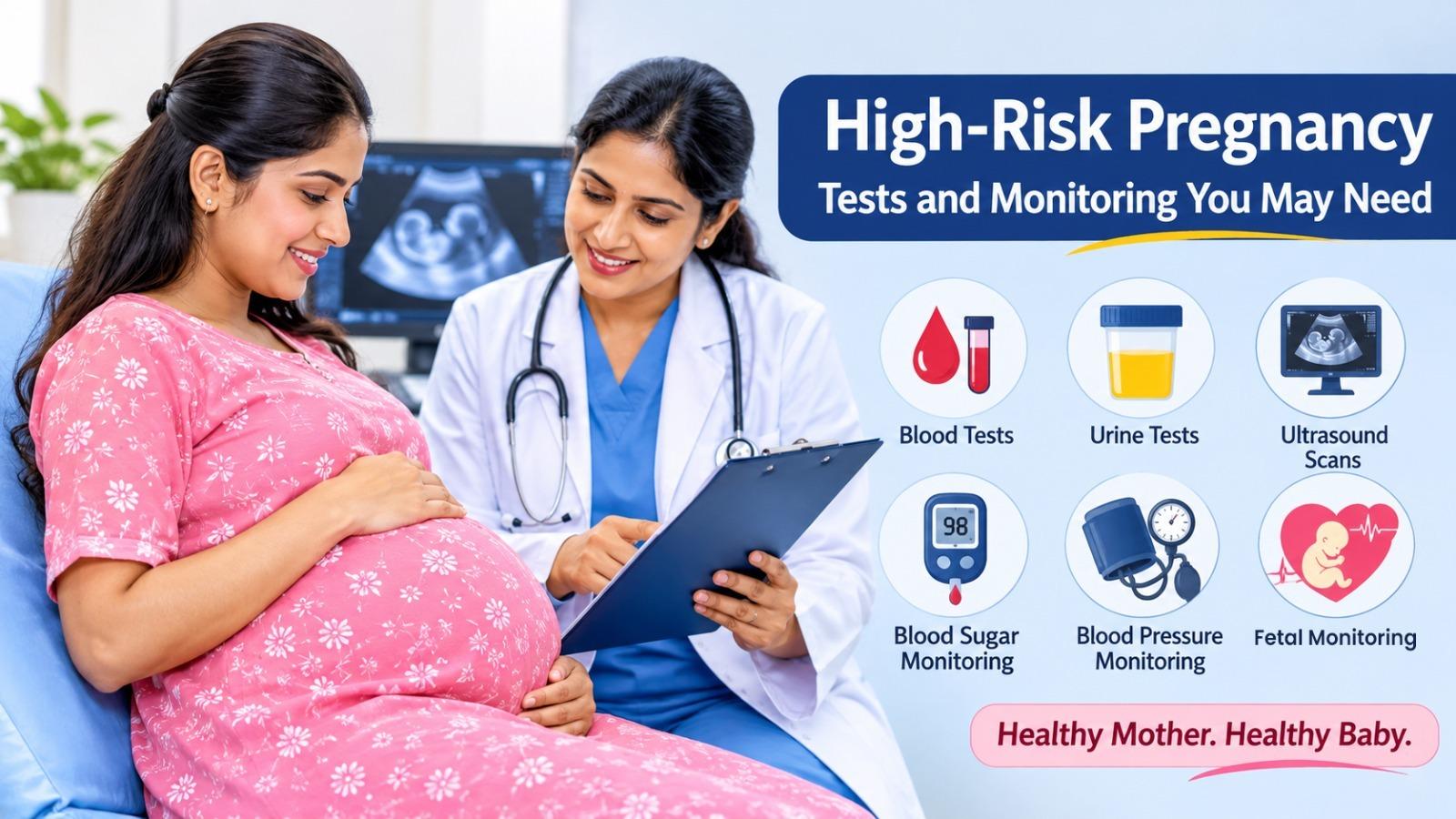
A healthy pregnancy needs routine medical care, but some pregnant women may require special attention to protect both the mother and her baby. A high-risk pregnancy occurs when pre-existing medical conditions or pregnancy-related complications increase the likelihood of health risks for the mother or baby.
Routine prenatal visits, laboratory tests, and ultrasound scans help assess the health of both the mother and the baby. Understanding the various tests used to monitor high-risk pregnancies can help women feel more informed and confident throughout their pregnancy journey.
Why Does a High-Risk Pregnancy Need Additional Monitoring?
Not all pregnancies are medically alike. Some factors that may require more careful monitoring include:
- High blood pressure or pre-eclampsia.
- Gestational diabetes.
- Thyroid disease.
- Severe anemia.
- Multiple pregnancies, such as twins or triplets.
- Previous miscarriages or complications during earlier pregnancies.
- History of preterm delivery.
- Fetal growth problems.
Recognizing these risk factors early helps doctors recommend the appropriate tests and monitoring methods.
7 Important Tests and Monitoring Methods During High-Risk Pregnancy
1. Complete Blood Count and Blood Investigations
Blood tests help doctors understand the mother's general health and identify conditions that may affect pregnancy.
Depending on individual requirements, investigations may include:
- Hemoglobin levels to identify anemia.
- Blood group and Rh factor.
- Blood glucose screening.
- Thyroid function tests.
- Liver and kidney function tests when indicated.
- Screening for infections such as HIV, hepatitis B, and syphilis.
These investigations help identify maternal health concerns that may require treatment or additional monitoring.
2. Urine Examination
Urine tests are an essential part of prenatal screening. They help detect protein, sugar, and possible urinary tract infections.
The presence of protein in the urine, especially when accompanied by high blood pressure, may indicate pre-eclampsia. Additional investigations may be required based on the results.
3. Ultrasound Scans During Pregnancy
Ultrasound examinations help doctors monitor the baby's development and assess important pregnancy-related structures.
Common scans include:
- Dating scan: Helps estimate the gestational age.
- First-trimester screening: Assesses the risk of certain chromosomal conditions.
- Anomaly scan: Evaluates the baby's physical development, usually around 18–22 weeks.
- Growth scan: Checks the baby's estimated weight, growth, and amniotic fluid levels.
- Doppler scan: Evaluates blood flow when concerns about placental function or fetal growth arise.
The number and timing of scans depend on the pregnancy and the doctor's recommendations.
4. Blood Sugar Monitoring
Gestational diabetes can develop in pregnant women who did not have diabetes before pregnancy.
A blood sugar test is usually recommended between 24 and 28 weeks of pregnancy but may be conducted earlier depending on the patient's risk factors.
In cases of gestational diabetes, medical professionals may recommend regular blood sugar monitoring, dietary changes, and appropriate physical activity to help manage the condition.
5. Blood Pressure Monitoring
Blood pressure monitoring is especially important during high-risk pregnancies.
Elevated blood pressure can lead to pre-eclampsia, which may affect the organs of both the mother and the baby.
In some cases, doctors may recommend frequent blood pressure measurements, along with urine and blood tests, depending on the results.
6. Non-Stress Test (NST)
The Non-Stress Test (NST) is used to determine how the baby's heartbeat responds to movements.
This test may be recommended during the later stages of pregnancy when there are concerns about the baby's well-being, maternal medical complications, or reduced fetal movements.
The results help doctors determine whether further monitoring or medical intervention is necessary.
7. Biophysical Profile (BPP)
The Biophysical Profile combines ultrasound findings with fetal heart rate testing.
This test evaluates specific parameters that reflect fetal well-being, including:
- Fetal breathing movements.
- Body movements.
- Muscle tone.
- Amniotic fluid levels.
A biophysical profile may be recommended when doctors require additional information about the baby's health.
How Frequently Should High-Risk Pregnancy Monitoring Be Done?
There is no universal monitoring schedule for all high-risk pregnancies.
The frequency of medical visits depends on the woman's medical history, stage of pregnancy, and possible complications.
Some women may require more frequent antenatal consultations, repeat ultrasound scans, or additional blood investigations. Others may need only selected assessments alongside routine pregnancy check-ups.
Warning Signs You Should Never Ignore
Expecting mothers should seek prompt medical attention if they experience any of the following symptoms:
- Severe or persistent headaches.
- Blurred vision or visual disturbances.
- Vaginal bleeding or leaking fluid.
- Severe abdominal pain.
- Sudden swelling of the face or hands.
- Reduced or absent fetal movements after movements are established.
- Difficulty breathing or chest pain.
Heavy bleeding, seizures, severe breathing difficulty, or chest pain require emergency medical attention.
Frequently Asked Questions
1. Which tests are done to identify a high-risk pregnancy?
Doctors may recommend blood tests, urine examinations, blood pressure checks, and ultrasound scans. Additional investigations depend on individual risk factors and the mother's medical history.
2. How many ultrasound scans are needed during a high-risk pregnancy?
There is no fixed number of ultrasound scans required for every woman. The frequency depends on fetal growth, maternal health, and pregnancy-related complications.
3. When should high-risk pregnancy monitoring start?
Monitoring should begin with the first antenatal assessment. Early identification of medical conditions helps doctors plan appropriate care and reduce potential complications.
4. Is NST necessary for every high-risk pregnancy?
No. An NST is recommended only when clinically indicated, particularly when doctors need to assess the baby's heart rate pattern and overall well-being.
5. Can gestational diabetes affect the baby's growth?
Yes. Poorly controlled gestational diabetes may increase the risk of excessive fetal growth and other complications. Regular blood sugar monitoring and appropriate medical management help reduce these risks.
6. What happens if a baby's growth is slower than expected?
Doctors may recommend repeat growth scans, Doppler assessments, and closer fetal monitoring. Further management depends on the baby's condition and gestational age.
Conclusion
A high-risk pregnancy requires appropriate medical care and regular monitoring to protect maternal and fetal health. Pregnancy monitoring and tests, including blood tests, urine examinations, and ultrasound scans, help doctors track fetal growth, identify potential complications, and provide appropriate pregnancy care.
Every pregnancy is different; therefore, recommended tests should be based on individual health conditions and medical requirements. Regular prenatal visits and professional medical advice help expecting mothers make informed decisions throughout their pregnancy journey.
If you are seeking guidance on how to take care of a high-risk pregnancy in Hyderabad, consult an experienced obstetrician for personalized advice and appropriate care.